
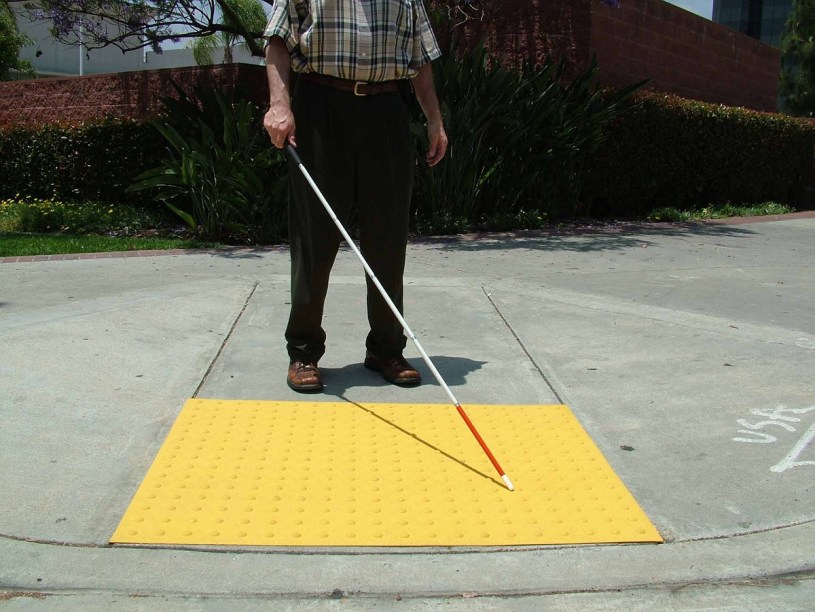
Choosing detectable warning surface products includes considering several essential factors to ensure they meet protection, durability, and regulatory requirements. These elements encompass cloth composition, setup necessities, compliance with accessibility standards, sturdiness, maintenance desires, and aesthetic enchantment.
These factors include;
Installation Requirements: Different detectable warning surface products have varying setup techniques. Some require adhesive setup, and others may additionally need to be automatically fixed to the ground. It’s vital not to forget the installation method to ensure compatibility with the present infrastructure and limit installation disruption.
Compliance with Accessibility Standards: Detectable warning surfaces need to follow accessibility standards, such as the Americans with Disabilities Act (ADA), inside the United States or comparable regulations in different international locations. These requirements dictate factors including color evaluation, dimensions, and tactile features to ensure accessibility for visually impaired people.
Material Composition: The cloth of the detectable warning floor is vital for its sturdiness and effectiveness. Common substances encompass concrete, plastic, rubber, and composite materials. Concrete surfaces are durable and long-lasting but may be heavy and difficult to put in. Plastic and rubber surfaces offer flexibility and ease of installation, but they may no longer be as durable in immoderate-visitors areas. Choices that align with these values are essential to avoid lawsuits and ensure inclusion.
Durability: The durability of reminder and warning labels is essential for long-term and cost-effective operation. Factors such as physical characteristics, weather resistance and ability to withstand heavy pedestrian traffic should be considered. Quality of materials and manufacturing processes can significantly affect the life of a surface.
Maintenance Requirements: Visible warning areas require regular maintenance to ensure effectiveness and safety. Consider the types of maintenance needed, including maintenance methods, maintenance methods, and inspection frequency. Easy-to-clean and maintain products can help reduce maintenance costs and ensure long-term compliance with accessibility standards.
Aesthetics: While the primary goals of memo warning pages are safety and accessibility, visual appearance also plays a role, especially in urban features or areas of high architectural importance. Choose environmentally friendly features consistent in colour, design and construction while meeting accessibility requirements.
Cost: Cost is a component to remember when selecting any production or infrastructure product. While living inside price range constraints is vital, it’s equally important to prioritize exceptionality and compliance with accessibility standards. Cheaper alternatives may additionally shop cash upfront, resulting in higher preservation costs or non-compliance troubles.
Manufacturer Reputation: Don’t forget the manufacturer or supplier’s recognition and music document. Look for organizations with experience generating detectable warning floor merchandise and a history of supplying dependable, exquisite solutions. Customer critiques, references, and assurance services can offer insights into the producer’s credibility and reliability.
Final Thoughts
By carefully thinking about those elements, stakeholders can pick detectable warning surface merchandise that not only meets protection and accessibility necessities but also offers sturdiness, ease of setup, and aesthetic compatibility with the encompassing environment. Collaboration with architects, engineers, accessibility experts, and relevant regulatory authorities can further ensure that the selected products meet all necessary standards and contribute to growing inclusive, on-hand-built environments.
 All About Legal Things