
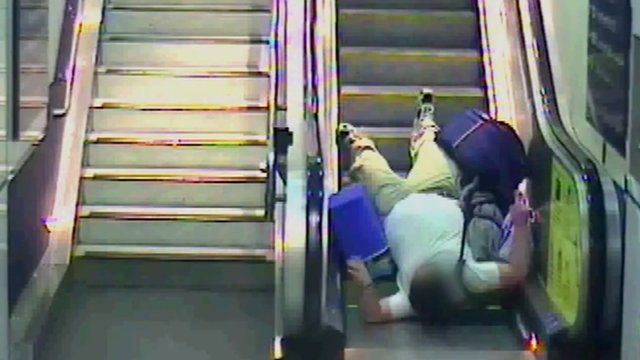
Elevators and escalators are commonly utilized to get us where we need to go efficiently. They spare us the hassle of running on foot or ascending or descending many flights of stairs. They can lead us on “moving walks” that go from floor to floor or from one spot to another.
According to Consumer Reports, 900,000 elevators in the United States alone serve 20,000 people on average every year. Each year, these transportation machines carry 18 billion passengers. Around 35,000 escalators in the US alone serve 12,000 people and make 105 billion journeys annually. If you get injured due to faulty elevators or escalators, click on learn more to find out what to do next.
Sustaining injuries from faulty escalators and elevators
Elevator and escalator accidents result in 17,000 serious injuries and 30 fatalities every year, according to the Electronic Library of Construction Occupational Safety & Health (ELOSH). Most of these incidents—90% of fatalities and 60% of injuries—involve elevators.
People who work nearby or near elevators cause nearly half of all fatalities. Half of the accidents included workers falling into the shaft. Others involve:
- Workers trapped in or between an escalator’s or elevator’s moving parts
- Platforms or elevators that crash
- Being struck by lifts or counterweights
- People who are working or others falling down open shafts
Elevator and Escalator Defects and Errors
The personal injury attorneys know that escalators can result in deaths or serious injuries if not built or maintained properly. A few common issues
- The escalator track has missing teeth.
- Loose or missing screws
- The gap between the side and the moving walk area is too large.
- Missing or inadequate steps
- General malfunction
Accountability for the Safety of Elevators/Escalators
The safety of escalators and lifts is the duty of many different parties. Plaintiffs who suffer injuries in lift accidents can file for compensation by:
- Property owners
Property owners are responsible for maintaining their buildings in an appropriately safe state for both employees and the general public. This is particularly true for visitors who were invited to the site for professional purposes. The property owner has to alert the public or completely limit access if an issue makes the lift or escalator dangerous.
- Manufacturers
It is the duty of manufacturers to design and construct these machines so that they operate in an effective and safe way. Any possible security risks must be properly and clearly disclosed to customers and users.
- Maintenance companies
Furthermore, maintenance companies must ensure their job is precise and consistent with industry standards. These companies must ensure that any necessary adjustments are carried out appropriately if there is an issue with the safety or functioning of the elevator.
 All About Legal Things